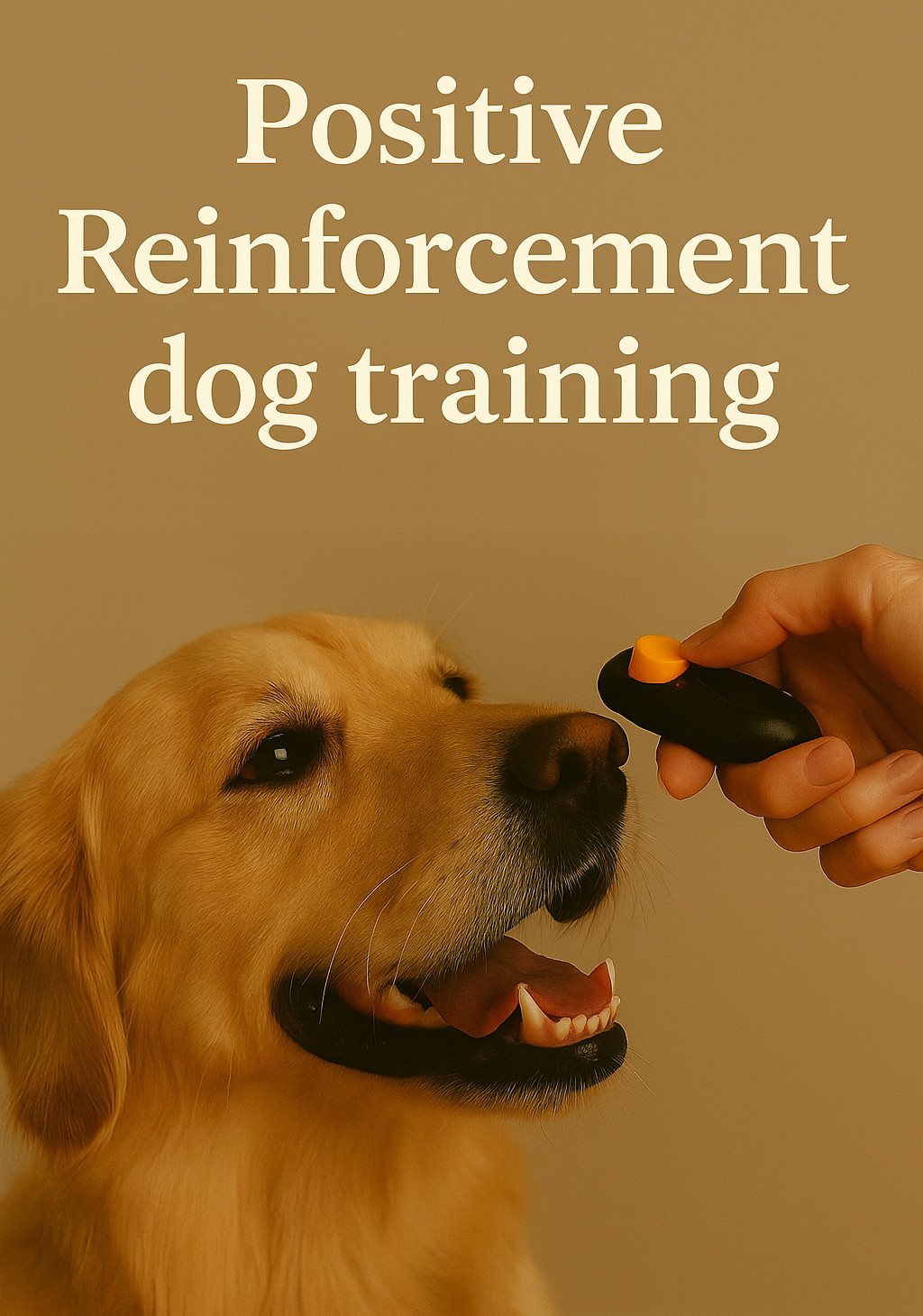
When it comes to dog training, there’s a golden rule that often separates effective trainers from frustrated ones: reward the right behaviour at the right time. Sounds simple, right? But in reality, the difference between success and confusion can be measured in mere seconds.
Whether you’re teaching your pup to sit before crossing the road or refining recall with your seasoned best friend, timing your reward or cue correctly is one of the most critical factors for long-term success. In this week’s post, we’re diving into the why, when, and how of perfect timing in dog training.
Why Timing Matters More Than You Think
According to renowned animal behaviourist Dr. Ian Dunbar, dogs associate rewards or corrections with whatever they were doing within 1 to 2 seconds prior. If you wait too long to deliver that treat or praise, your dog might think you’re rewarding the wrong thing.
Let’s say your dog sits beautifully when asked, and you reach for the treat. But by the time you get it out of your pocket, your dog has already stood up and is sniffing the grass. When you hand over the treat, what you’ve actually reinforced is the sniffing, not the sitting.
The science behind this is based on operant conditioning, a learning principle explored extensively by psychologist B.F. Skinner. When dogs receive consistent, immediate feedback for their actions, they learn more effectively and with less confusion. Delayed responses muddy the message.
Meet the 1.5-Second Rule
Dog trainers across the globe agree on this: you have a 1.5-second window to mark and reward a behaviour. That’s it. If your dog sits, lies down, comes when called, or even makes eye contact with you during a walk, you need to:
- Mark the behaviour (with a click, a ”yes!” or another cue)
- Follow up with a reward (treat, praise, toy, etc.)
The clearer and faster you make this sequence, the faster your dog will make the connection: When I do X, something good happens.
Consistency plus timing equals clarity.
Use a Marker to Bridge the Gap
Let’s be real—you won’t always have lightning-fast reflexes. That’s where a marker comes in. A clicker or a well-timed verbal cue like “Yes!” becomes a bridge between your dog’s action and the reward.
Why it works:
- The marker is instant (unlike fishing for a treat)
- It communicates clearly what you’re rewarding
- It allows you to reinforce from a distance (handy for recall or agility training)
Even top trainers like Jean Donaldson, founder of the Academy for Dog Trainers, advocate for marker-based training to increase precision and reduce ambiguity.
Real-Life Example: Teaching Recall
Let’s say you’re working on recall. Your dog is 20 feet away and you call, ”Come!” They gallop toward you with enthusiasm. The moment their paws cross an invisible 3-foot line in front of you, you shout ”Yes!” That split-second cue tells your dog: That! That running toward me—that’s what earned the treat.
Even if it takes a second to reach into your pouch, your dog knows what they did right.
Avoiding Accidental Reinforcement
Here’s a pitfall many dog parents fall into without realizing: accidentally reinforcing unwanted behaviours.
- If your dog jumps up on you and you laugh or pet them: you just reinforced jumping.
- If your dog barks for attention and you turn and say, “Hey, quiet!”: you just gave them what they wanted—attention.
By understanding timing, you learn to withhold rewards or interaction until you see the behaviour you want to encourage. Calm four-on-the-floor? That’s when the love and praise come.
Practice Makes Perfect (and Quicker!)
Don’t worry if you miss the moment occasionally. We’re human, and training is a two-way street. But the more you practice, the better your timing will get. It’s like dancing or cooking—you learn to anticipate the beat, or when to flip the pancake.
Pro tip: Practice with a partner. Have someone play the dog and perform mock behaviours (e.g. sitting), and you practice clicking or saying ”yes” within 1.5 seconds. You’d be surprised how helpful this is.
Tools to Help You
- Clicker: Cheap and effective. Pocket-sized, fast, and distinct.
- Verbal marker: A cheerful ”Yes!” said consistently.
- Treat pouch: Keep rewards close by and easily accessible.
- Timer drills: Try short training sessions where you aim to mark behaviours within a second.
Be Clear, Be Kind, Be Quick
Timing isn’t everything in dog training—but it’s close. When you learn to deliver feedback within seconds of the desired behaviour, you become a better communicator, a more effective trainer, and ultimately, a stronger partner to your dog.
Combine this with patience, consistency, and a whole lot of praise, and you’ll see just how fast your dog can learn.
Stay gentle, stay steady, and remember:
”Every behaviour is a conversation. The more clearly you speak, the better they understand.”
Good Luck with your training!

 The Posh Paw Blog
Lämna en kommentar