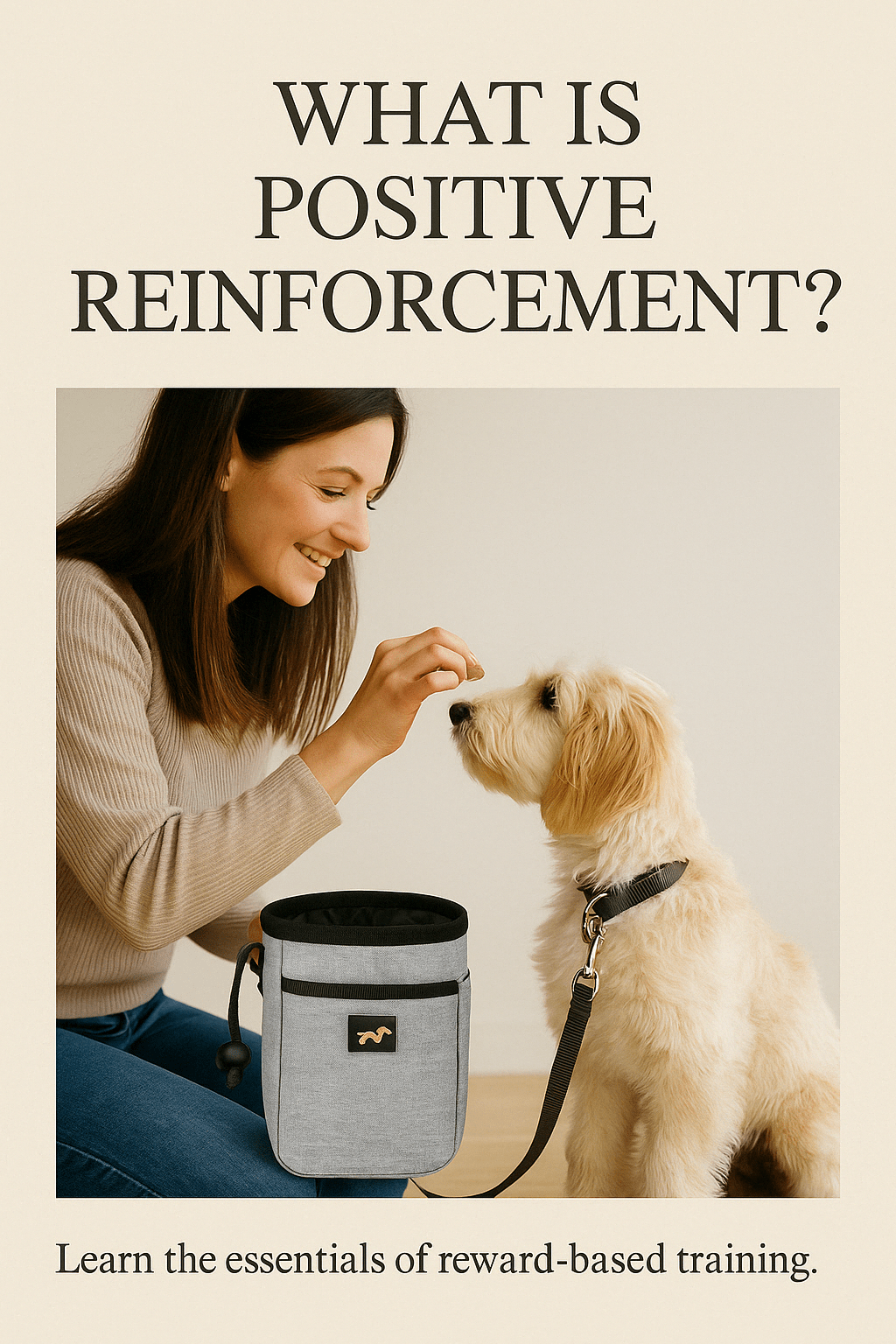
Positive reinforcement is a training technique that rewards a dog for desirable behavior. This reward can be a treat, a toy, verbal praise, or anything the dog finds motivating. When paired with consistency, it helps dogs learn faster, retain behaviors longer, and approach training with enthusiasm rather than fear.
The concept is simple:
Reward the behavior you want to see more of.
Unlike punishment-based methods, positive reinforcement doesn’t rely on fear or dominance. It’s about creating clear, predictable outcomes that help your dog feel confident and secure.
Why It Works (According to the Experts)
The science of animal behavior has shown that dogs, like all animals, learn best when there’s a clear association between a behavior and a positive outcome.
Dr. Sophia Yin, a leading veterinarian and applied animal behaviorist, emphasized that positive reinforcement leads to dogs who are more eager to learn, more resilient, and far less likely to exhibit fear-based aggression or anxiety.
Patricia McConnell, PhD, renowned zoologist and dog trainer, explains:
”Reinforcement increases the likelihood a behavior will occur again. When done right, it creates a joyful learner—curious, confident, and cooperative.”
It’s also the core method used in modern service dog training programs worldwide. These programs depend on consistency, timing, and reinforcement to create reliable, high-performing canine partners.
The Three Pillars of Successful Training
The Three Pillars of Successful Training
Dogs live in the moment. For positive reinforcement to be effective, the reward must come immediately after the desired behavior. A delay—even of just a few seconds—can confuse your dog and weaken the association.
Consistency Builds Confidence
Always reward the behavior you want. If you’re teaching ”sit,” reward it every time until your dog understands the command fully. Once the behavior is consistent, you can gradually move to intermittent rewards.
Motivation Matters
Not all rewards are created equal. Some dogs are food-motivated, while others might prefer a squeaky toy or a tug game. However, treats remain the most universally effective training reward.
That’s why we always recommend having a treat pouch on hand during training—so you can reward your dog immediately, cleanly, and without fumbling in your pockets.
Why the Right Tools Make a Difference
Let’s talk practically for a moment. When you’re training your dog, especially in real-world settings like the park or your daily walk, having your gear ready is half the battle.
That’s where a high-quality treat pouch becomes essential. Our recommended pick? a pouch that is lightweight, durable, and easy-to-wear, designed for dog owners who want to train with both hands free and rewards at the ready.
Picture this: you’re in the park with your dog. You’ve just asked for a “sit” or a recall. Instead of fumbling through jacket pockets or reaching for a crumpled bag of treats, you simply reach to your side and—click—reward delivered.
Your treats stay fresh and clean, shielded from the elements. Your hands are free to hold the lead, gesture, or give a good scratch behind the ears. And your timing stays sharp, which, as you now know, makes all the difference.
It also helps reduce distractions. A pouch keeps the focus on the task, not on the rustle of a food bag or a delay that confuses your pup.
Because training isn’t just about the dog—it’s about making things smoother and less stressful for you, too. And the right tools help you show up as your best, most confident self.
Getting Started: Positive Reinforcement in Action
Here’s a simple framework to begin your training journey:
Step 1: Identify the behavior. Let’s say you’re teaching ”down.”
Step 2: Lure or capture the behavior. Guide your dog into the down position using a treat.
Step 3: Mark and reward. As soon as they perform the behavior, say ”Yes!” or use a clicker, then give a treat.
Step 4: Repeat and refine. Practice short sessions (5–10 minutes), and keep it positive.
Step 5: Add the cue. Once your dog consistently performs the behavior, add the command word ”Down.”
This process works across a range of behaviors—from basic commands like ”sit,” ”stay,” and ”come” to more complex ones like leash walking and recall.
What to Avoid
Let’s walk through a few common traps many dog owners stumble into—often with the best intentions.
Imagine this: you’ve just come home from a long day, and your dog has chewed up one of your shoes. You’re frustrated. You scold him. Maybe you raise your voice or point at the mess. But from your dog’s perspective, the chewing happened hours ago. The punishment now just causes confusion—and even fear.
Punishment-based corrections can seem like a quick fix, but they often create more problems than they solve. Dogs don’t connect the dots the same way humans do. Instead of learning, they may become anxious, withdrawn, or even defensive.
Then there’s the trap of accidental reinforcement. Let’s say your dog barks for attention while you’re on a work call. In an effort to quiet them down, you toss them a toy. They stop barking, sure—but now they’ve learned barking gets them what they want. The cycle begins.
And finally, even with the best of intentions, too much at once can overwhelm your dog. Lengthy sessions, constant corrections, or inconsistent expectations can leave them mentally exhausted—and frustrated.
Instead, keep your sessions short and sweet. End on a win. Make it feel like a game, not a test. Because training should build confidence, not tension—for both of you..** They can lead to confusion, fear, and even behavioral issues.
- Don’t reward unwanted behavior by accident. (For example, giving attention when a dog barks for it.)
- Don’t overwhelm your dog. Keep sessions short and fun, and always end on a good note.
Final Thoughts: Train with Heart
Your dog wants to please you. Positive reinforcement gives them the tools and confidence to do exactly that. With patience, consistency, and the right treats close at hand, you’ll not only shape your dog’s behavior—you’ll strengthen the bond you share.
Training isn’t just about results. It’s about connection. And that’s something worth investing in.
For more tips, trusted tools, and expert content, stay with us here at the Posh Paw Blog—where pet parents come to learn, grow, and give their pets the very best.

 The Posh Paw Blog
Lämna en kommentar